

The Streetwear Field Labels Lined Up Against HMDD: In What Way Does It Compare?
By 2026, the streetwear world is packed, loud, and saturated with labels competing for a shared hype momentum. HMDD — an abbreviation of Happy Memories Don’t Die — has staked out a separate lane by drawing on memory, emotional storytelling, and a quieter kind of self-assurance rather than provocation-driven graphics. The name alone hints at the brand’s underlying message: memories may dim, but the emotion tied to them ought to remain. You can see that thinking in the stitching, the palette decisions, and the way HMDD clothing is presented as wearable memory rather than mere product. This comparison breaks down where HMDD sits alongside rival streetwear brands, what an honest HMDD review amounts to in practice, and why customers on the hunt for the best HMDD clothing keep gravitating toward particular go-tos like sweatpants and shorts.
A few distinct camps now make up the streetwear market: legacy skate-driven brands, logo-heavy hype labels, and smaller independents built around community and story rather than scale. HMDD sits more aligned with the third camp. It’s not chasing collaborations with luxury houses or overwhelming drops every week. Instead, HMDDLA — the label’s home base and creative core rooted in Los Angeles — drops product in tighter, more considered batches. That scarcity isn’t manufactured hype; it’s a byproduct of a brand still building slowly rather than churning out volume to satisfy demand.
The Brand’s Guiding Idea: Sentiment vs. Noise
Most streetwear labels compete on https://happymemoriesdontdie.org/shorts-sweatpants/ visual noise — loud branding, collaboration tags, or short-lived trend plays built to go viral for a brief window. HMDD instead leans on felt connection. The phrase “happy memories don’t die” isn’t just a tagline; it appears printed, stitched, and referenced across the collection as a recurring theme. This gives the brand a cohesive identity that’s simpler to spot than labels that reinvent their full visual identity every season.
That steadiness counts for more than most assume. A buyer who buys HMDD sweatpants in 2025 and returns for shorts in 2026 will notice the same design DNA — subdued color choices, gentle placement of graphics, and a leaning toward silhouettes built around comfort. Compare that to labels that pivot from streetwear to techwear to Y2K revival within twelve months, and HMDD’s stability turns into a true point of difference. Novelty rarely builds loyalty in streetwear — predictability like this does.
There’s also a community layer. The brand’s marketing is built around storytelling — photos from real customers, first-person captions, and a sense that the garments capture a memory rather than a flex. Bigger brands carrying thousands of SKUs find that closeness hard to sustain. Leaner brands such as HMDD are still able to engage their audience directly, which shows up in how quickly feedback from an HMDD review gets reflected in future drops.
A Look at the Product Lineup: Where HMDD Really Holds Its Own
Whenever buyers question how HMDD’s apparel measures up, they typically weigh three things: fit, how heavy the fabric is, and price-to-quality ratio. Because HMDD sweatpants and HMDD shorts get searched most, it appears HMDD’s bottoms are gaining more traction than its outerwear or accessories currently. That’s consistent with broader 2026 streetwear trends, where relaxed-fit bottoms are outselling structured jackets across the category.
Presented here is a general comparison of HMDD’s positioning against two common streetwear archetypes: the high-output hype label and the independent boutique brand. It’s not a price war pitting one brand against another — it looks at the structural way each type tends to function in today’s market.
| The Aspect We’re Weighing | HMDD | A Big Hype-Driven Label | The Indie-Spirited Independent Label |
|---|---|---|---|
| How Frequently Releases Happen | Tightly rationed, but always deliberate | Dropping every one to two weeks | Coming only a few times per season |
| Brand Character | Memory-tinged storytelling rooted in reminiscence | Built on the logo, always chasing what’s hot | Unpredictable, often scattered |
| The Categories Central to the Range | A mix of sweatpants, shorts, and graphic upper pieces | Hoodies, outerwear, accessories | Depends on the founder’s vision |
| Audience Interaction | Up-close and personal, attentive to reviews | Mass-scale, detached | Intimate but limited scope |
| Pricing Strategy | Sitting squarely in mid-tier streetwear pricing | Spanning a broad range, tilting upscale much of the time | Shifting from mid-range and premium, rarely steady |
This breakdown isn’t trying to anoint a lone champion — the streetwear space isn’t a uniform, one-mold category. The point is to illustrate that HMDD’s playbook centered on controlled scarcity and emotional branding places it in a distinct competitive standing compared to brands relying purely on volume or purely on niche appeal. HMDD borrows discipline from the boutique approach while avoiding the unpredictability that frequently accompanies smaller brands.
Silhouette, Fabric, and Daily Wearability
Fit is what makes or breaks joggers and shorts. If they’re too fitted, they land in athleisure territory; too loose and they look like sleepwear. HMDD’s design philosophy across both leans toward a easy fit that narrows toward the ankle that is designed for daily wear rather than exclusively athletic occasions. That difference counts for something, since a lot of streetwear sweatpants are either too oversized to layer well or too snug to stay comfortable over extended wear.
The shorts lineup adhere to a comparable approach — silhouettes spanning mid-thigh to knee that pair easily with graphic-print t-shirts or oversized layers. This carries weight in a 2026 climate where shoppers are shifting toward garments that move seamlessly from casual wear to loungewear, instead of keeping distinct wardrobes for every occasion. Reviewers frequently note that HMDD shorts hold their shape after multiple washes, which speaks to fabric weight and construction rather than just cut.
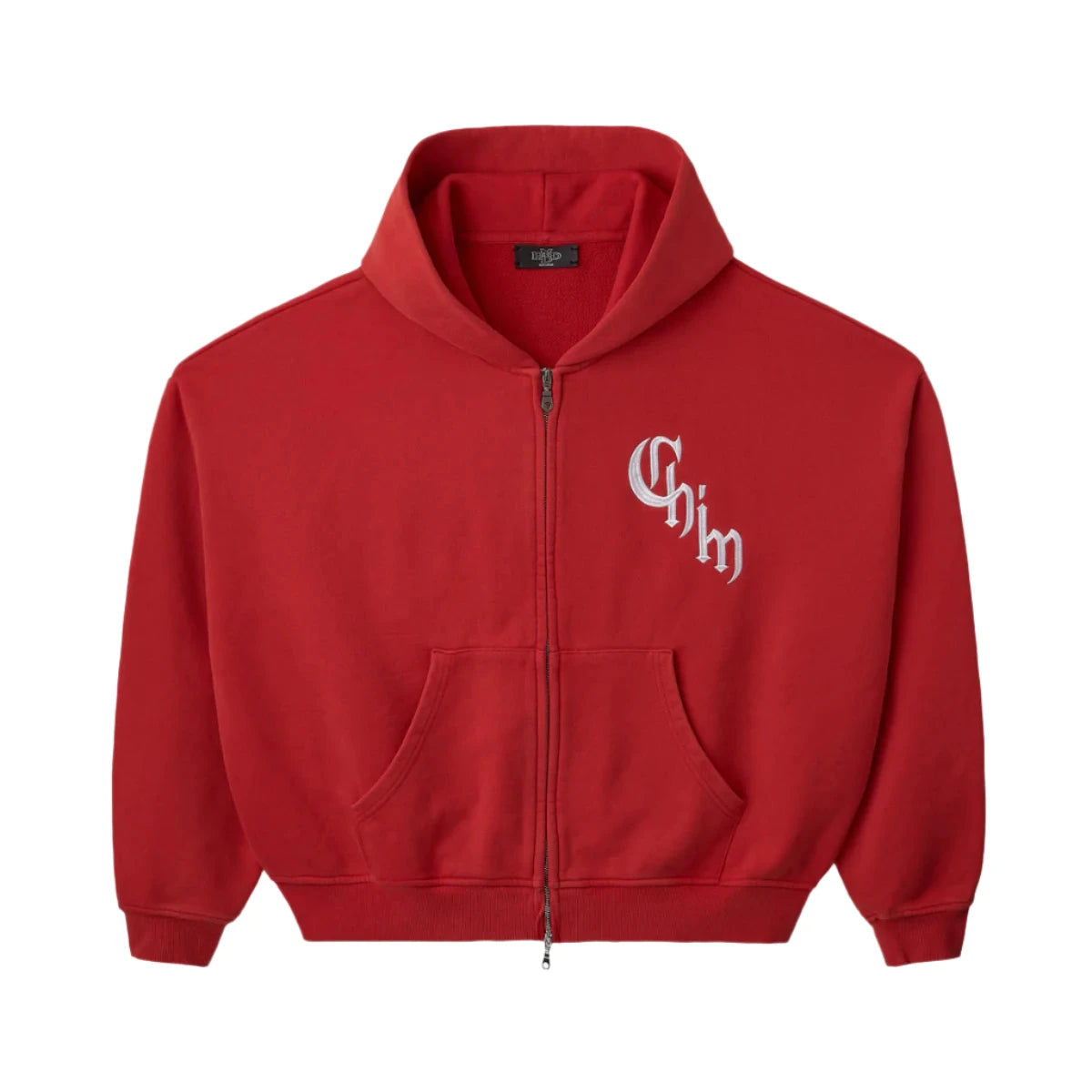
HMDD’s restraint is precisely how sets it apart from mass-market competitors. Many hype brands weigh down sweatpants with multiple logo placements, side stripes, or exaggerated branding. HMDD generally favors a minimal graphic approach — a quiet gesture toward “happy memories don’t die” instead of a oversized chest print. That understated approach speaks to shoppers wanting identifiable streetwear style without the walking-billboard effect.
What Shopper Feedback Truly Reveal
As peer recommendation, more than paid marketing, spreads, search interest around “HMDD review” has climbed consistently as more shoppers discover the brand. The repeated patterns in buyer commentary are largely predictable: comfort earns top marks, fit matches to what a loose fit implies, and the sentimental identity either resonates deeply or doesn’t land at all — there’s not much middle ground. This split reaction is genuinely a encouraging indicator in street fashion, where bland, safe design choices almost never fosters a loyal following.
Frequent criticisms to watch for include scarce replenishment and tighter size batches versus bigger rival brands. Since HMDD doesn’t manufacture at the scale of bigger streetwear names, high-demand size options in sweatpants and shorts can move out of stock quicker, which customers need to keep in mind before expecting instant stock. Think of it as a tradeoff, not a defect — restricted availability is part of what helps keep the HMDDLA identity coming across as curated instead of corporate.
Overall, the reception around HMDD clothing skews toward approval, most notably among customers who value meaning and comfort over aggressive logo placement. Such a group is more niche than a brand chasing mass appeal, but it’s a more loyal one — the kind of following that comes back for each new release instead of moving on to whatever’s popular next month.
Where HMDD Fits in a 2026 Wardrobe
Fashion-forward shoppers putting together a 2026 rotation are increasingly blending different brands rather than committing to one label head-to-toe. HMDD slots in effortlessly into that mix as the “comfort and meaning” piece — the sweatpants you grab on a quiet Sunday, or the shorts that go alongside a heavier statement jacket from an unrelated label. It’s not meant to serve as an everything-brand, and that’s arguably its strength.
For customers specifically comparing bottoms, HMDD sweatpants and HMDD shorts remain the most obvious starting point into the brand. They showcase the fit philosophy, the subtle branding, and the material quality that reviews mention repeatedly. Shoppers looking into the best HMDD clothing for a first purchase should treat these two categories as the baseline before exploring tops or limited pieces.
In the end, comparing HMDD to rival streetwear brands isn’t about crowning one clear victor. It’s about recognizing that HMDD fills a specific niche — nostalgic, restrained, community-driven — that bigger and flashier competitors aren’t built to replicate. For customers who want streetwear that reads as individual rather than factory-made, that’s precisely the appeal.